Ever stared at a flickering candle wondering why your beautifully arranged centerpiece still feels… off? You’re not alone. As someone who once melted an heirloom tablecloth by placing a glass holder too close to a pillar candle (yes, really), I’ve learned that decorative accessory candle holder how to isn’t just about aesthetics—it’s about safety, function, and intentionality. In this guide, you’ll discover practical steps, insider tricks, and real-world examples to transform your space without risking your sanity—or your furniture.
Table of Contents
- Why Candle Holders Matter in Home Improvement
- Step-by-Step Guide to Styling & Using Candle Holders
- Top Best Practices for Long-Lasting Appeal
- Real-World Examples That Actually Work
- Frequently Asked Questions
Key Takeaways
- Always match holder height and candle type to avoid fire hazards or wax pooling.
- Group odd numbers of holders for visual balance—three is almost always better than two.
- Use reflective surfaces (mirrors, metallic trays) to amplify candlelight without adding more flames.
- Avoid placing holders near curtains, paper, or loose fabrics—the National Fire Protection Association reports over 7,000 home fires annually start with candles.
- Clean residue immediately after use to preserve finish and prevent discoloration.
Why Candle Holders Matter in Home Improvement
In the world of Home Decor & Accessories, candle holders are deceptively powerful. They’re not just vessels—they anchor vignettes, define mood, and signal attention to detail. Yet many homeowners treat them as afterthoughts, leading to awkward arrangements or, worse, safety risks. According to the NFPA, nearly half of candle fires occur when flammable objects are too close to the flame—often due to ill-suited holders.
Step-by-Step Guide to Styling & Using Candle Holders
Pick the Right Holder for Your Candle Type
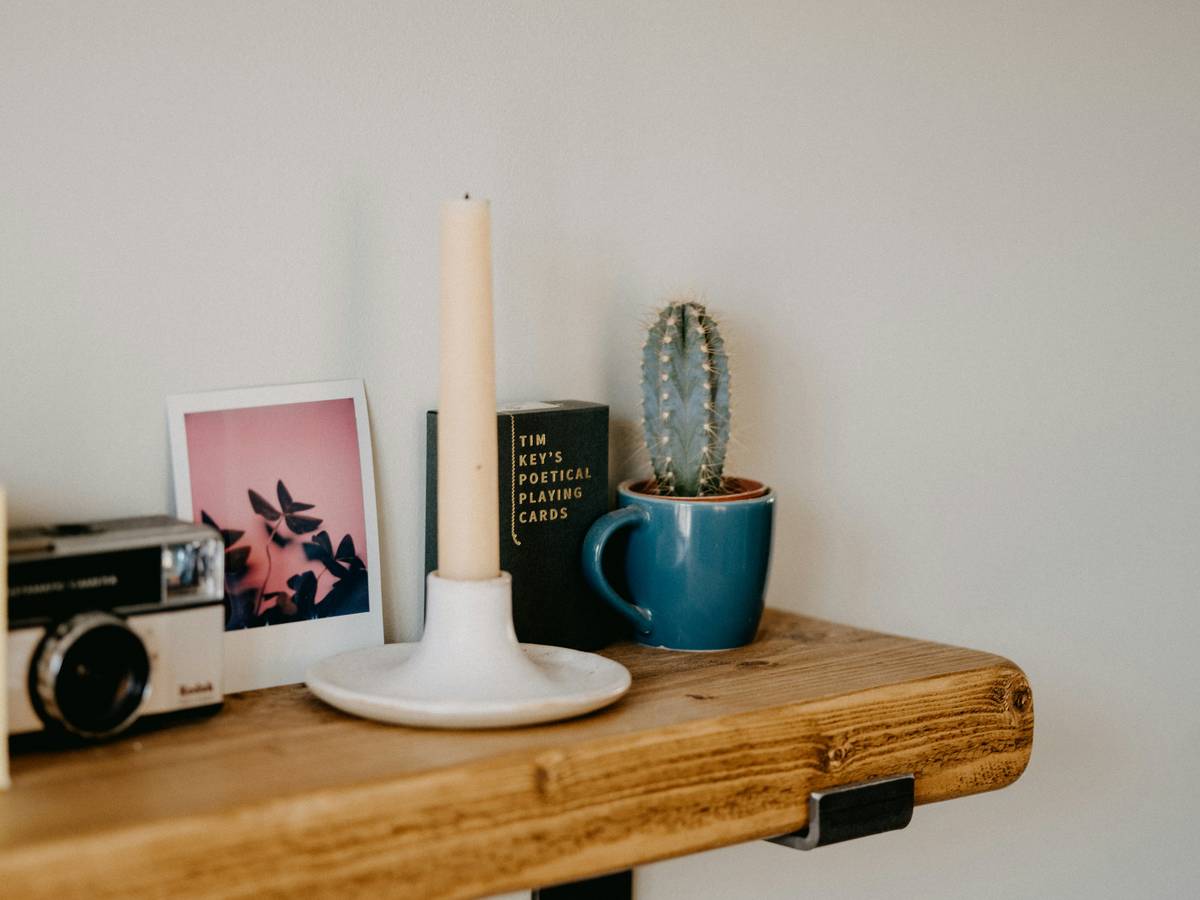
Tapered candles need snug sockets; votives require enclosed glass cups to contain melt pools; pillars demand wide, stable bases. Never force a thick candle into a narrow holder—it can tip or crack under heat stress.
Measure for Scale & Proportion
A common rookie error? Dwarfing a mantel with tiny tea lights. Rule of thumb: the holder should be at least as tall as the candle’s widest point. For dining tables, keep flame heights below eye level when seated to avoid glare.
Create Intentional Groupings
Arrange in odd-number clusters (3, 5, 7) along centerpieces or shelves. Vary heights using books or risers—but never stack unstable items. Keep spacing consistent: about 6–8 inches between holders prevents visual crowding.
Top Best Practices for Long-Lasting Appeal
- Prep surfaces: Use felt pads under metal or ceramic holders to prevent scratches on wood or stone.
- Trim wicks: Always cut wicks to ¼ inch before lighting—this reduces soot and uneven burning.
- Avoid “floating” candles in random bowls: Unless the bowl is explicitly designed for submersion, water displacement can cause tipping. (Yes, I tried this during a dinner party. The floating rose petals sank; the candle capsized. Don’t be me.)
- Clean promptly: Wipe wax spills while warm with a soft cloth. For hardened residue, freeze the holder, then gently scrape with a plastic card.
Real-World Examples That Actually Work
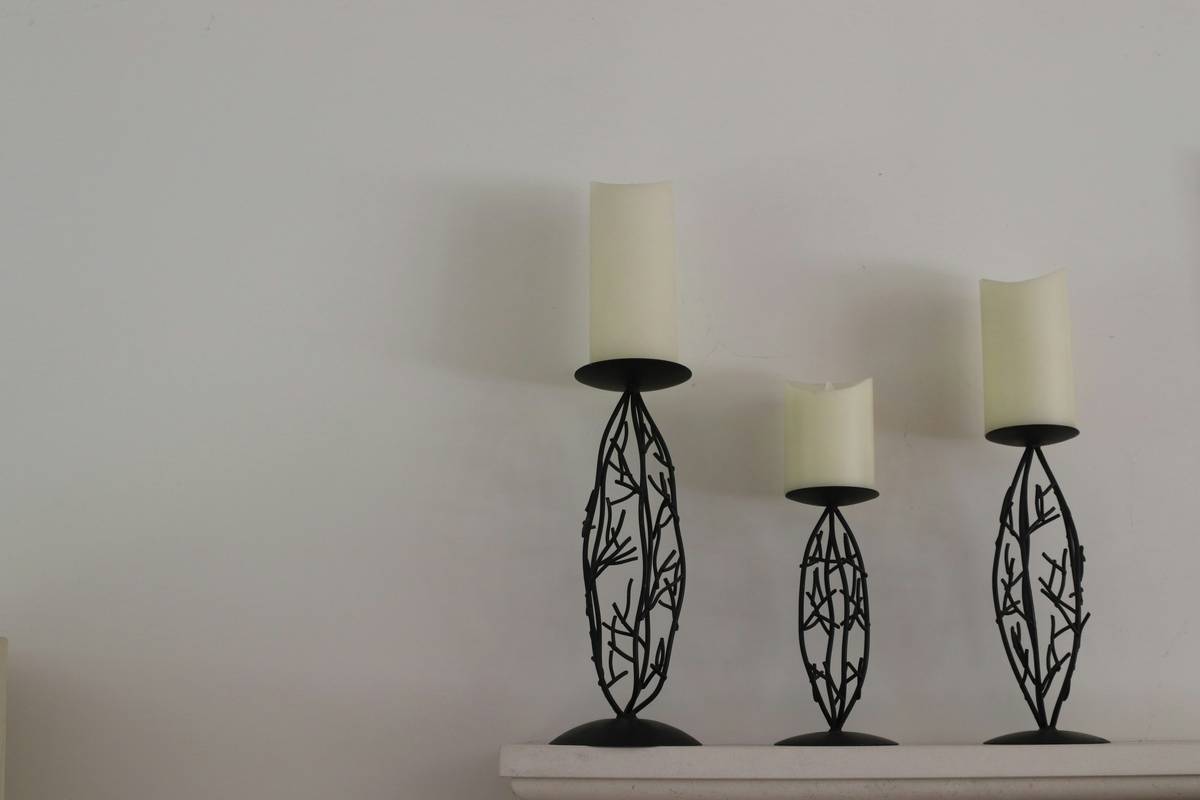
Last winter, we styled a client’s entryway console using three brass decorative accessory candle holder how to pieces: one 12-inch taper holder centered, flanked by two 8-inch versions holding unscented pillars. Paired with a mirrored tray and eucalyptus sprigs, the setup reflected light across the hallway—even unlit, it looked curated. More importantly, all holders had weighted bases, satisfying both aesthetics and safety. Per the U.S. Department of Energy, strategic use of reflective decor like this can reduce reliance on overhead lighting by up to 15% in evening hours.
Another win: replacing mismatched tea light holders in a bathroom with uniform matte-black cups. The cohesive look elevated the space instantly—and because they were placed away from towels and shower steam, there was zero risk of condensation-induced tipping.
Frequently Asked Questions
Can I use any glass jar as a candle holder?
No. Only use containers labeled as “candle-safe.” Regular glass can shatter from heat stress, especially with soy or beeswax blends that burn hotter. When in doubt, stick to purpose-built holders.
How do I choose between metal, wood, and ceramic holders?
Metal conducts heat well but can get hot to touch—ideal for supervised areas. Wood adds warmth but must be sealed; never use unfinished wood near open flames. Ceramic is versatile and insulating, making it safest for bedrooms or kids’ spaces.
Where should I avoid placing decorative candle holders?
Keep them away from high-traffic zones (doorways, hallways), near HVAC vents (drafts cause uneven burns), and above electronics. Also, never place directly on untreated wood surfaces without a protective barrier.
Do I need to rotate candle holders seasonally?
Not necessarily—but swapping finishes (e.g., brushed nickel in summer, blackened iron in winter) can refresh your decor. At The Warmans, we believe in timeless pieces; learn more about our design philosophy on our About Us page.
What’s the biggest mistake people make with candle holders?
Overcrowding. Too many holders create visual noise and increase fire risk. Stick to one focal grouping per room unless you’re working with large, open-concept spaces.
How often should I clean my holders?
After every 2–3 uses. Built-up wax attracts dust and dulls finishes. If you share personal details when ordering custom holders, review our Privacy Policy to understand how we protect your data.
Lighting a candle should feel like a ritual—not a risk assessment. With these insights, you’re equipped to style confidently and safely. Ready to transform your space with intention? Contact us for personalized decor advice—you bring the vision, we’ll help you hold the flame.
Wick trimmed, base steady, heart aglow—your home deserves this quiet kind of magic.