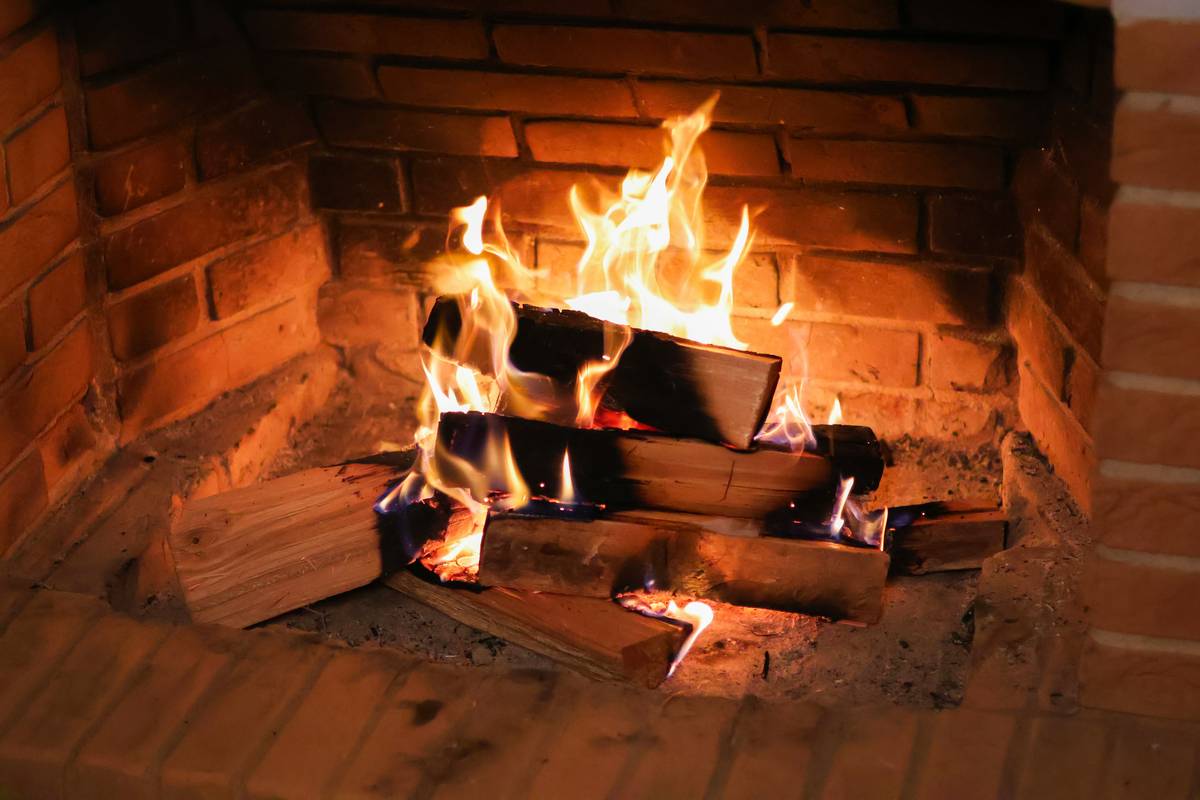
Your shelves feel flat. The coffee table lacks soul. You’ve bought candles—dozens—but they just sit there like wax paperweights. Candle holder decor isn’t about stacking more stuff. It’s about creating moments of light that pull the eye, anchor a room, and whisper “curated,” not “cluttered.”
Why Most Candle Holder Decor Fails (And Yours Probably Does Too)
People treat candle holders like afterthoughts—tossing in a cheap metal cup or reusing a jam jar “for vibes.” That’s not decor. That’s surrender. Real candle holder decor demands intentionality. Scale matters. Material contrast matters. Negative space? Absolutely critical.
But here’s the trap: mass retailers push uniform sets—three identical glass cylinders in a box labeled “farmhouse chic.” They look fine—for five minutes. Then they disappear into the background. No drama. No story.
Build Candle Holder Decor That Actually Works: A Practitioner’s Framework
Forget rules. Follow rhythm. Mix heights, textures, and eras—but with restraint. And never, ever match everything.
Step 1: Audit Your Existing Surfaces
Clear every shelf, mantel, or console you plan to style. Ask: What’s the dominant material? Wood? Painted drywall? Marble? Your holders must converse with that base—not mimic it.
Step 2: Layer by Height and Function
Pick one tall piece (12″+), one medium (6–10″), and one low (<5″). That creates visual cadence. But—and this is key—the tallest shouldn’t hold the biggest candle. Often, a slim taper in a slender iron holder reads stronger than a pillar drowning in ceramic.
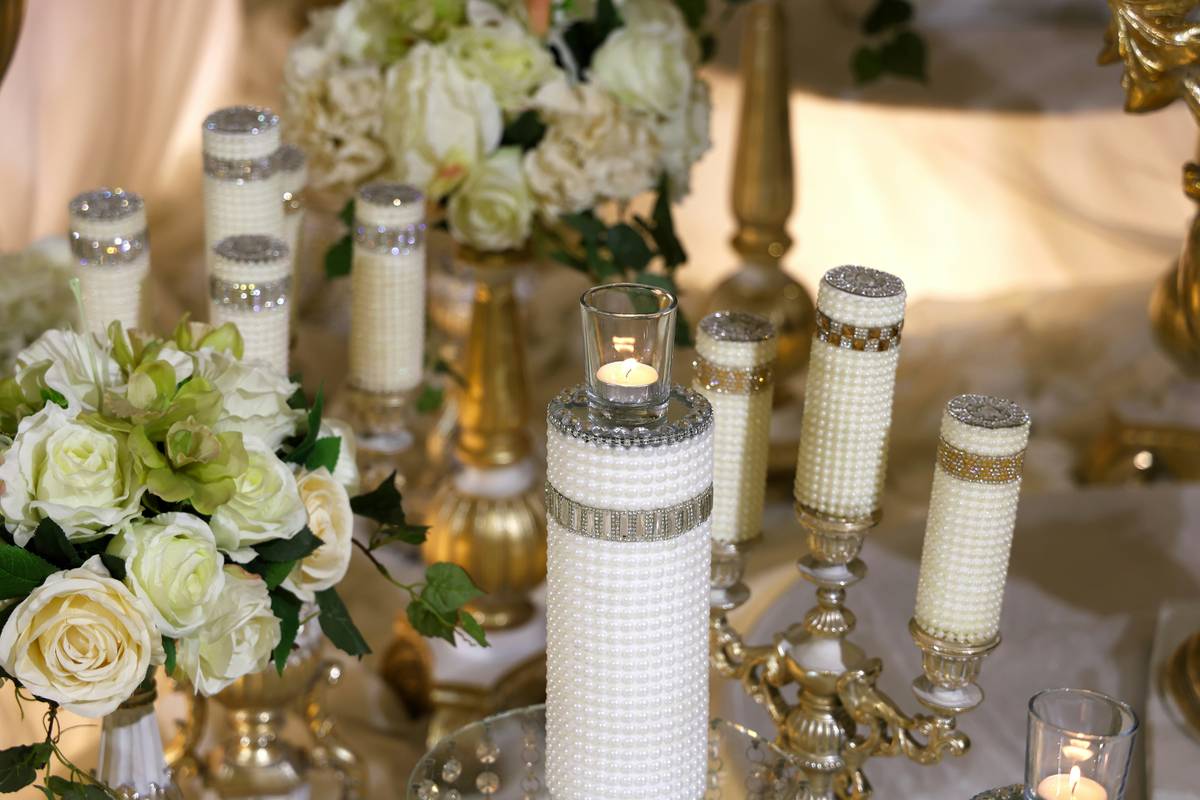
Step 3: Choose Materials That Clash (Intentionally)
Pair matte black metal with raw linen. Weathered brass beside smooth river stone. The friction creates tension—and interest. Avoid matching metals unless you’re going for a minimalist monolith (and even then, vary finishes: brushed vs. polished).
| Holder Type | Best Use Case | Avg. Cost Range | Styling Risk |
|---|---|---|---|
| Hand-thrown ceramic | Earthy, organic spaces; pairs with wood & stone | $25–$80 | Low—adds warmth without overwhelming |
| Recycled glass clusters | Coastal, airy rooms; needs ample natural light | $18–$45 | Medium—can look kitschy if overused |
| Industrial iron spikes | Modern lofts, dark interiors; dramatic vertical lines | $30–$120 | High—dominates if not balanced with soft textiles |
| Vintage brass candelabras | Traditional or eclectic mixes; instant heirloom feel | $40–$200+ | Medium—requires confident placement to avoid “costume” vibe |
Step 4: Light Only When It Means Something
Candles aren’t nightlights. Burn them during dinner, while reading, or when guests arrive. Unlit wicks signal abandonment—not ambiance. And trim those wicks! Soot ruins everything.
The Industry Secret: Candles Are Sculpture First, Light Source Second
Here’s what big-box stylists won’t tell you: In high-end staging, candle holder decor often uses unlit, unscented tapers purely as vertical punctuation. Why? Because real estate photos are taken in daylight. The flame doesn’t register—but the form does.
Think of your holder + candle as a single sculptural object. Would it hold interest if it never burned? If not, swap it out. I once replaced a client’s generic tealight trio with a single, slightly crooked hand-dipped beeswax taper in a raw clay dish. The room instantly felt human—imperfect, warm, lived-in. The math is simple: One intentional piece beats ten decorative distractions.
Frequently Asked Questions
How do I clean soot off glass candle holders?
Soak in warm water with baking soda and dish soap for 15 minutes. Scrub gently with a non-abrasive sponge—never steel wool. For stubborn residue, use a paste of vinegar and salt.
Can I mix modern and vintage candle holders?
Absolutely—if you anchor them with a common thread. Same metal tone? Similar height range? Shared color in the base? That cohesion prevents chaos.
What’s the safest surface for candle holder decor?
Non-flammable, heat-resistant materials only: stone, tile, tempered glass, or thick ceramic. Never place directly on wood, fabric, or paper without a protective barrier.